
For Bites You Don't Like...
Call Mosquito Mike
Powerful mosquito and tick control that helps protect kids, pets, and backyard time.
For Bites You Don't Like...
Call Mosquito Mike
Powerful mosquito and tick control that helps protect kids, pets, and backyard time.
Get Your Instant Quote NowFor Bites You Don't Like...
Call Mosquito Mike
Powerful mosquito and tick control that helps protect kids, pets, and backyard time.
Get Your Instant Quote NowTake your yard back from mosquitoes and ticks
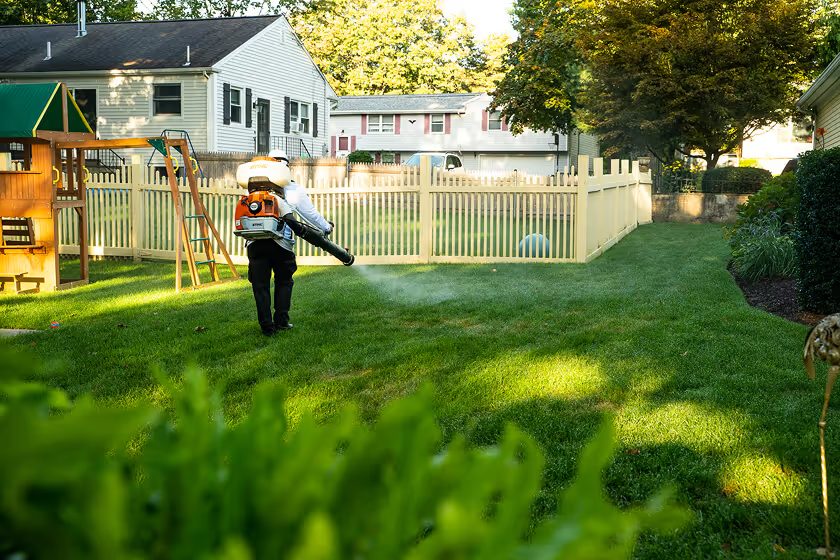
Mosquito Mike helps families take back their yards by delivering consistent, professional mosquito and tick control they can trust.
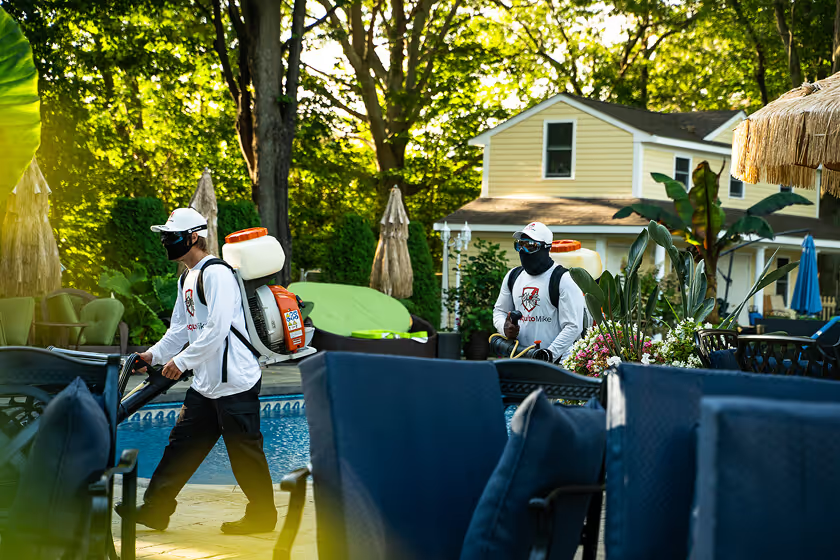
Sitting outside on a summer evening should be relaxing, not a battle against bugs. We're mosquito and tick control specialists serving Massachusetts, Rhode Island, and North Carolina. Our treatments are safe for your family and pets, but deadly to the pests that make outdoor time miserable.
As a locally-owned family business, we get it. You just want to enjoy your yard without worrying about bites or tick-borne diseases like Lyme, EEE, or West Nile Virus. That's exactly why we're here.
What Makes Us Different
Accountability You Can See Every technician wears a body camera and uses GPS tracking. You'll know exactly what was done and when.
Communication You Can Count On You'll get notifications before we arrive and after we finish. Fast response times when you call or message us.
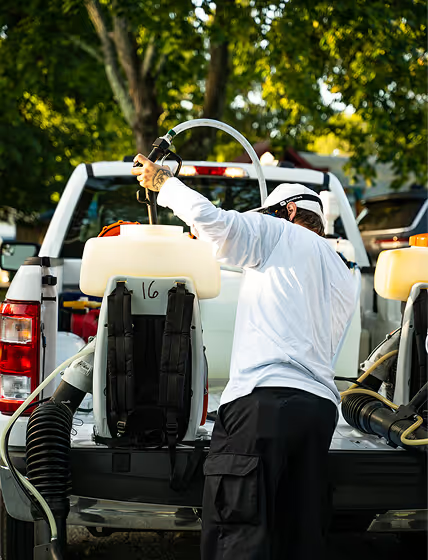
Training That Shows Our technicians complete classroom training, earn their licenses, train in virtual reality, and work in the field with experienced techs before treating their first yard.
Clients served
Applications completed
.avif)
Get Your Instant Quote Now
Tell us a bit about your property and we'll get you an instant quote. No pressure, no obligation.
Plans That Fit Your Schedule and Budget
Every plan includes mosquito, tick, and flea protection, plus our satisfaction guarantee.
What We Treat
Mosquito Control
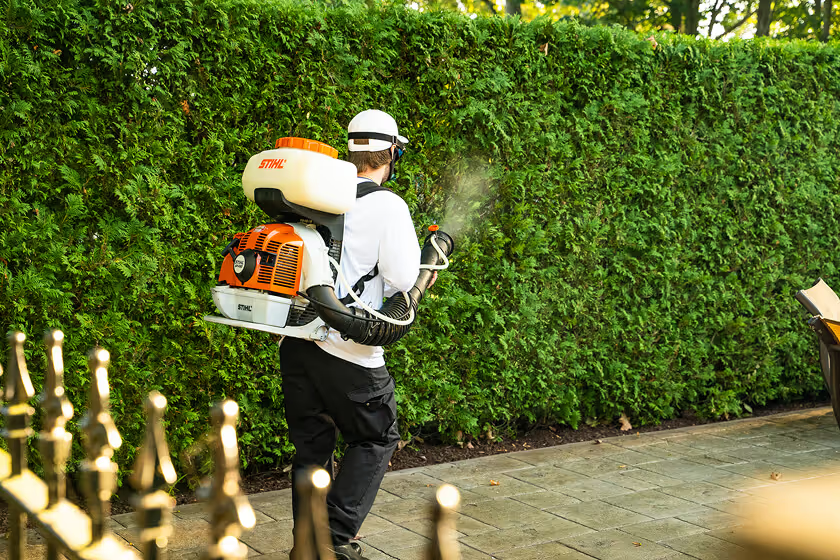
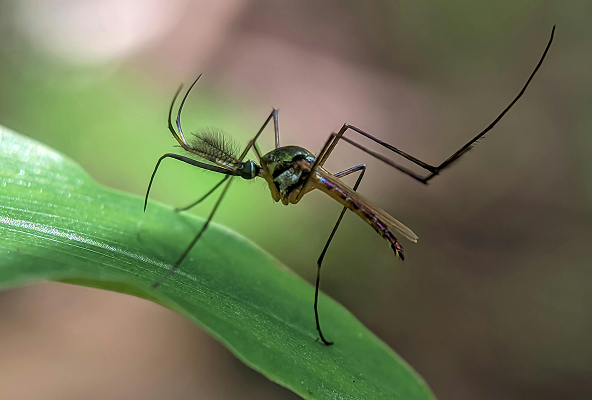
Mosquitoes aren't just annoying. They can carry diseases like West Nile Virus and EEE. Our barrier spray program targets mosquitoes where they live and breed, reducing their population by up to 90%.
Tick Control
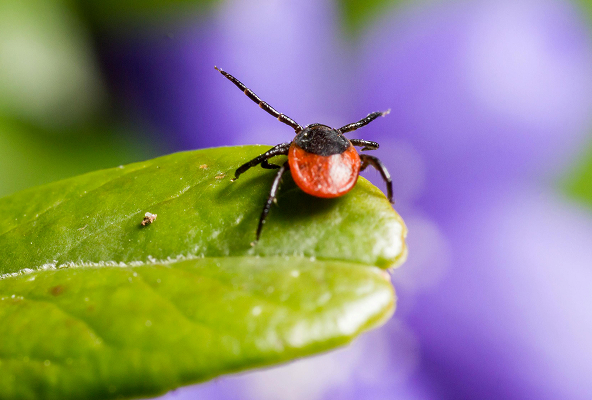
Ticks spread serious illnesses including Lyme disease, Rocky Mountain Spotted Fever, and Ehrlichiosis. Our tick treatments target the areas where ticks hide, like leaf litter, tall grass, and wooded borders.

General Pest Control
Bugs don't stay outside on their own. Our foundation treatment stops over 30 types of crawling insects, from ants and spiders to cockroaches and earwigs, before they cross your threshold.

Winter Tick Control
Ticks don't disappear in cold weather. Our winter treatments keep you protected during the off-season, and when spring arrives, you'll roll right into your regular seasonal plan with continuous coverage.
Areas We Serve
We provide mosquito and tick control services throughout Massachusetts, Rhode Island, and North Carolina. Check if we cover your area.
Massachusetts
Rhode Island
North Carolina
What Our Customers Say
We treat every customer the way we'd want to be treated. That means showing up when we say we will, doing thorough work, and actually solving your pest problem. Our customers notice the difference.


100% Satisfaction Guarantee
We stand behind our work. If you experience any issues with pests between your regularly scheduled treatments, just give us a call. We'll come back and retreat your property.